लॉ फर्मों के लिए AI वॉयस एजेंट्स: इनटेक, क्वालिफिकेशन और शेड्यूलिंग

एआई वॉयस एजेंट चौबीसों घंटे लॉ फर्म का इनटेक (मामलों का स्वागत), क्वालिफिकेशन (योग्यता जांच), शेड्यूलिंग और एस्केलेशन (समस्याओं को आगे बढ़ाना) संभालते हैं। कानूनी सीमाओं को पार किए बिना उन्हें तैनात करने का तरीका यहां दिया गया है।
संभावित क्लाइंट सुनवाई, दोपहर के भोजन के अवकाश, शाम और सप्ताहांत के दौरान लॉ फर्मों को कॉल करते हैं। जब कोई उत्तर नहीं देता है, तो कॉलर अधूरी जानकारी छोड़ सकता है, किसी अन्य फर्म से संपर्क करने का प्रयास कर सकता है, या प्रतिक्रिया के लिए दिनों तक प्रतीक्षा कर सकता है। इस बीच, इनटेक टीमें बुनियादी प्रश्न पूछने और प्रतिक्रियाओं को कैलेंडर और केस प्रणालियों में मैन्युअल रूप से स्थानांतरित करने में घंटों बिताती हैं।
एआई वॉयस एजेंट वकीलों या कानूनी निर्णय को प्रतिस्थापित किए बिना इस परिचालन अंतर को संबोधित करते हैं। यह वॉकथ्रू पहले रिंग से लेकर इनटेक, प्रशासनिक योग्यता, शेड्यूलिंग, एकीकरण और मानवीय एस्केलेशन तक कॉलर की यात्रा का अनुसरण करता है। यह फर्म के मालिकों, वकीलों, इनटेक प्रबंधकों, ऑपरेशंस टीमों और उत्पादन परिनियोजन (प्रडक्शन डिप्लॉयमेंट) की योजना बनाने वाले डेवलपर्स के लिए लिखा गया है।
विषय-सूची:
बुनियाद: कानूनी वॉयस एजेंट की भूमिका: दायरा, उद्देश्य और सीमाएं।
पहले रिंग से इनबाउंड इनटेक डिजाइन करना: इरादा पहचान (इंटेंट डिटेक्शन), डेटा संग्रह और रूटिंग।
कानूनी निर्णय लिए बिना योग्यता निर्धारण (क्वालिफिकेशन): पूर्वनिर्धारित मानदंड और समीक्षा मार्ग।
शेड्यूलिंग, रूटिंग और ऑफिस समय के बाद के वर्कफ़्लो: कैलेंडर एक्सेस, ट्रांसफर और फ़ॉलो-अप।
तकनीकी वास्तुकला (आर्किटेक्चर) और एकीकरण: टेलीफोनी, भाषण (स्पीच) अवसंरचना, उपकरण और लेटेंसी (विलंबता)।
सुरक्षा उपाय, मापन और अगले कदम: परिनियोजन नियंत्रण, मेट्रिक्स, अक्सर पूछे जाने वाले प्रश्न (FAQs) और कार्यान्वयन प्राथमिकताएं।
बुनियाद: कानूनी वॉयस एजेंट की भूमिका
वॉयस एजेंट एक ऐसा सॉफ्टवेयर है जो बोली जाने वाली बातचीत का संचालन करता है, संदर्भ बनाए रखता है, वर्कफ़्लो निर्देशों का पालन करता है, और स्वीकृत व्यावसायिक उपकरणों को कॉल करता है। एक कानूनी एआई वॉयस एजेंट प्रश्न पूछ सकता है, संरचित उत्तर प्राप्त कर सकता है, उपलब्धता की जांच कर सकता है और कॉल ट्रांसफर कर सकता है। जो पाठक व्यापक रूप से समझना चाहते हैं, वे समीक्षा कर सकते हैं कि एआई वॉयस एजेंट क्या है।
महत्वपूर्ण अंतर परिचालन सहायता और पेशेवर निर्णय के बीच है। सिस्टम यह पहचान सकता है कि कोई कॉलर रोजगार विवाद के बारे में पूछ रहा है और फर्म के इनटेक नियमों को लागू कर सकता है। इस वर्कफ़्लो में, उसे यह तय नहीं करना चाहिए कि कॉलर का दावा वैध है, कानूनी अधिकारों की व्याख्या नहीं करनी चाहिए, परिणाम की भविष्यवाणी नहीं करनी चाहिए, या कानूनी कार्रवाई की सिफारिश नहीं करनी चाहिए।
जिम्मेदारियों का उचित विभाजन
वॉयस एजेंट कार्य | मानवीय कानूनी कार्य |
|---|---|
नाम, तिथियां, स्थान और संपर्क विवरण एकत्र करना | कानूनी महत्व और साक्ष्य मूल्य का आकलन करना |
दस्तावेजकृत प्रशासनिक इनटेक शर्तों को लागू करना | दावे की व्यवहार्यता या कानूनी रणनीति का निर्धारण करना |
स्वीकृत परामर्श समय की पेशकश करना | फर्म की स्वीकृत कानूनी प्रक्रिया के तहत जुड़ाव के निर्णयों और वकील-क्लाइंट संबंध से जुड़े प्रश्नों को संभालना |
संवेदनशील या अनिश्चित कॉलों को स्थानांतरित करना | सलाह प्रदान करना और असाधारण परिस्थितियों का प्रबंधन करना |
लोग अक्सर क्या गलती करते हैं: किसी सिस्टम को लॉ फर्मों के लिए 'एआई रिसेप्शनिस्ट' कहने मात्र से यह हर कानूनी सवाल का जवाब देने के लिए सुरक्षित नहीं हो जाता। एक सीमित एजेंट जो अनिश्चित अनुरोधों को विश्वसनीय रूप से सौंपता है, वह उस व्यापक एजेंट से अधिक उपयोगी है जो मनमाने ढंग से काम करता है।
पहले रिंग से इनबाउंड इनटेक डिजाइन करना
अच्छा इनबाउंड हैंडलिंग बीस सवालों की स्क्रिप्ट के बजाय इरादे (इंटेंट) से शुरू होता है। एजेंट फर्म के स्वीकृत प्रकटीकरण (डिस्क्लोजर) के साथ जवाब देता है, पूछता है कि व्यक्ति क्यों कॉल कर रहा है, और व्यापक अनुरोध को वर्गीकृत करता है। सामान्य मार्गों में एक संभावित क्लाइंट पूछताछ, एक मौजूदा मामला, कोर्ट या विरोधी वकील, एक विक्रेता कॉल, दिशा-निर्देशों के लिए अनुरोध, या एक जरूरी ट्रांसफर शामिल हैं।
न्यूनतम उपयोगी इनटेक रिकॉर्ड एकत्र करें
नई पूछताछ के लिए, स्वचालित क्लाइंट इनटेक आमतौर पर निम्नलिखित विवरण लेता है:
पूरा नाम, फ़ोन नंबर, ईमेल पता और पसंदीदा संपर्क विधि।
कॉल करने का कारण और प्रासंगिक अभ्यास क्षेत्र (प्रैक्टिस एरिया), जो कॉलर के अपने शब्दों में व्यक्त किया गया हो।
सामान्य घटना या मामले का विवरण, जिसमें तिथियां शामिल हैं जब फर्म के वर्कफ़्लो को उनकी आवश्यकता होती है।
रूटिंग के लिए आवश्यक स्थान, राज्य, अदालत या क्षेत्राधिकार की जानकारी।
पसंदीदा परामर्श तिथि, समय, भाषा और सुलभता आवश्यकताएं।
फर्म की स्वीकृत प्रक्रिया के अनुसार आवश्यक सहमति या पावती फ़ील्ड।
सटीक प्रश्न फर्म के अभ्यास क्षेत्रों, स्टाफिंग मॉडल, जोखिम नीति और केस-प्रबंधन प्रक्रिया पर निर्भर करते हैं। व्यक्तिगत चोट (पर्सनल इंजरी) का इनटेक पारिवारिक कानून, आव्रजन (इमिग्रेशन), संपत्ति नियोजन या व्यावसायिक मुकदमेबाजी से भिन्न होगा। लॉ फर्म इनटेक ऑटोमेशन को एक सार्वभौमिक प्रश्नावली का आविष्कार करने के बजाय एक स्वीकृत इनटेक मानचित्र को पुनरुत्पादित करना चाहिए।
बातचीत को अनुकूलनीय (एडेप्टिव) बनाएं
एक एआई इनटेक सहायक को अप्रासंगिक प्रश्नों को छोड़ देना चाहिए, महत्वपूर्ण हिज्जे (स्पेलिंग) और तारीखों की पुष्टि करनी चाहिए, और यह पहचानना चाहिए कि कॉलर पहले ही जवाब दे चुका है या नहीं। जब वाक् पहचान (स्पीच रिकग्निशन) का विश्वास कम हो, तो यह फ़ील्ड को दोहरा सकता है, कॉलर से नाम की स्पेलिंग बताने के लिए कह सकता है, या मानवीय समीक्षा के लिए उत्तर को चिह्नित कर सकता है। एआई कानूनी इनटेक तब सबसे अच्छा काम करता है जब कॉलर्स को एक कठोर फोन ट्री से गुजरने के लिए मजबूर किए बिना मुक्त-प्रारूप बातचीत मान्य फ़ील्ड में परिवर्तित हो जाती है।
उदाहरण: एक कॉलर कहता है, 'पिछले शुक्रवार को फीनिक्स के पास मेरी गाड़ी को पीछे से टक्कर मार दी गई थी और मुझे किसी से बात करनी है।' एजेंट एक व्यापक मोटर-वाहन श्रेणी का अनुमान लगा सकता है, संपर्क विवरण की पुष्टि कर सकता है, फर्म के स्वीकृत तथ्यात्मक प्रश्न पूछ सकता है, एरिज़ोना को रूटिंग इनपुट के रूप में रिकॉर्ड कर सकता है, और अगले कदम की पेशकश कर सकता है। इसे यह नहीं कहना चाहिए कि लापरवाही हुई थी या मुआवजा उपलब्ध है।
कानूनी निर्णय लिए बिना योग्यता निर्धारण (क्वालिफिकेशन)
इस वर्कफ़्लो में, कानूनी क्लाइंट योग्यता का तात्पर्य एक प्रशासनिक रूटिंग कार्य से है। एजेंट फर्म, अभ्यास क्षेत्र, सेवा भूगोल, संघर्ष-स्क्रीनिंग पूर्वापेक्षाएँ, घटना तिथि सीमाएँ, या परामर्श प्रकार द्वारा स्थापित शर्तों के विरुद्ध एकत्र किए गए उत्तरों का मूल्यांकन करता है। उन शर्तों की समीक्षा परिनियोजन से पहले फर्म के जिम्मेदार कानूनी और परिचालन कर्मियों द्वारा की जानी चाहिए।
कॉलर -> मामला श्रेणी -> पूर्वनिर्धारित प्रश्न -> वर्कफ़्लो शर्तें -> परामर्श, मानवीय समीक्षा, या दायरे से बाहर। यह लॉ फर्म लीड योग्यता के लिए भी उपयुक्त मॉडल है। आउटपुट एक प्रशासनिक व्यवस्था का वर्णन करता है, कानूनी निष्कर्ष का नहीं।
उदाहरण व्यवस्थाएं और प्रतिक्रियाएं
व्यवस्था (डिस्पोजिशन) | एजेंट की कार्रवाई | प्रतिबंधित व्याख्या |
|---|---|---|
परामर्श के लिए योग्य | स्वीकृत अपॉइंटमेंट प्रकार की पेशकश करें | कॉलर के पास एक मामला है |
मानवीय समीक्षा की आवश्यकता है | एक सारांश भेजें और स्थानांतरित करें या कॉलबैक कार्य बनाएं | तथ्य कानूनी रूप से कमजोर हैं |
पूर्वनिर्धारित दायरे से बाहर | फर्म की स्वीकृत क्लोजिंग या रेफरल प्रक्रिया का उपयोग करें | कोई कानूनी उपाय मौजूद नहीं है |
असाधारण मामले (एज केसेस) मानवीय समीक्षा के दायरे में आते हैं। परस्पर विरोधी तारीखें, अनिश्चित क्षेत्राधिकार, संभावित समय सीमाएं, एकाधिक पक्ष, व्यथित कॉलर और स्क्रिप्ट से बाहर के तथ्यों को स्वचालित योग्यता को तुरंत रोक देना चाहिए। लीड योग्यता के लिए एआई पर एक गहन तकनीकी विश्लेषण दर्शाता है कि कैसे संरचित योग्यता मानदंड और रूटिंग इस पैटर्न का समर्थन करते हैं।
शेड्यूलिंग, रूटिंग और ऑफिस समय के बाद के वर्कफ़्लो
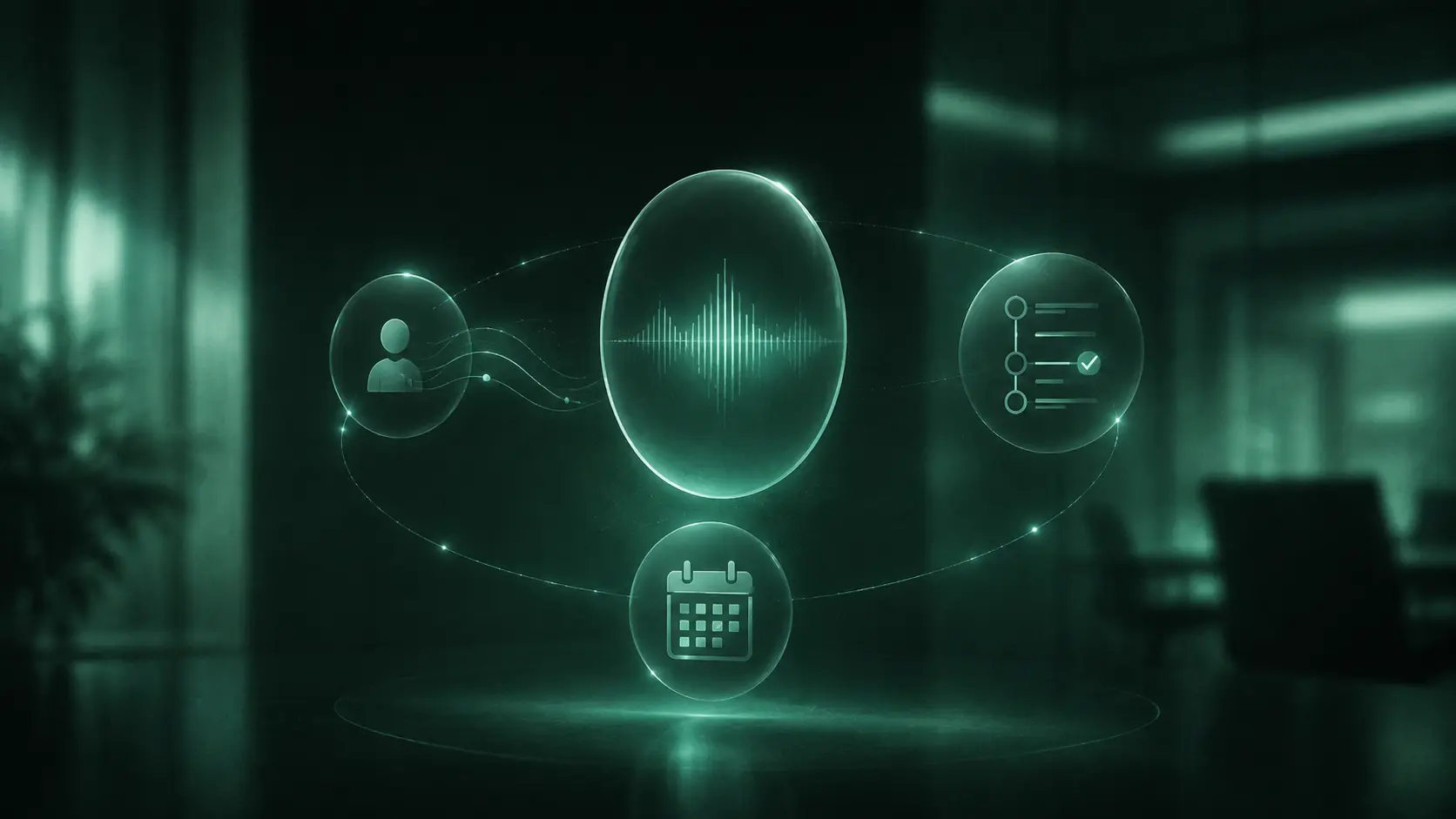
शेड्यूलिंग और ट्रांसफर वर्कफ़्लो को हर सिस्टम और स्टाफ हैंडऑफ़ में संदर्भ (कॉन्टेक्स्ट) को बनाए रखना चाहिए।
नियंत्रित टूल कॉल्स के माध्यम से परामर्श बुक करें
लॉ फर्म अपॉइंटमेंट शेड्यूलिंग के लिए, एजेंट एक कैलेंडर एपीआई या स्वीकृत एकीकरण को कॉल करता है, सही अपॉइंटमेंट प्रकार के लिए उपलब्धता का अनुरोध करता है, और उपलब्ध समय के कुछ विकल्प प्रस्तावित करता है। कॉलर द्वारा एक को चुनने के बाद, यह घटना बनाने से पहले तिथि, समय क्षेत्र, वकील या टीम, संपर्क विवरण और किसी भी तैयारी के निर्देशों की पुष्टि करता है।
एक पूर्ण लेनदेन सीआरएम या केस-प्रबंधन इनटेक रिकॉर्ड को अपडेट कर सकता है, पुष्टिकरण संदेश ट्रिगर कर सकता है, और स्टाफ कार्य बना सकता है। एजेंट को तब तक अपॉइंटमेंट बुक होने का दावा नहीं करना चाहिए जब तक कि शेड्यूलिंग टूल सफलता की प्रतिक्रिया न दे दे। विफल टूल कॉल्स के लिए एक स्पष्ट फ़ॉलबैक की आवश्यकता होती है, उदाहरण के लिए, बार-बार पूरा करने का वादा करने के बजाय कॉलबैक की पेशकश करना।
निर्णय या देखभाल की आवश्यकता होने पर जल्दी ट्रांसफर करें
तत्काल ट्रांसफर या एस्केलेशन नियमों में निम्नलिखित शामिल होने चाहिए:
कानूनी सलाह, निष्कर्ष, रणनीति, या समय सीमा की व्याख्या के लिए अनुरोध।
परेशान, डराने वाले, घायल, या अन्यथा कमजोर कॉलर।
संवेदनशील परिस्थितियाँ जिन्हें प्रशिक्षित हैंडलिंग की आवश्यकता होती है।
अस्पष्ट इरादा, बार-बार पहचान में विफलता, या विरोधाभासी उत्तर।
मौजूदा क्लाइंट जो महत्वपूर्ण मामलों के अपडेट की मांग कर रहे हैं।
एजेंट के प्रलेखित अधिकार क्षेत्र के बाहर का कोई भी अनुरोध।
संदर्भ कॉल के साथ स्थानांतरित होना चाहिए। एक वार्म ट्रांसफर स्टाफ को कॉलर का नाम, कॉल करने का कारण, पूर्ण किए गए फ़ील्ड, अनसुलझे प्रश्न और तात्कालिकता मार्कर सौंप सकता है, ताकि कॉलर को फिर से शुरुआत न करनी पड़े।
काम के घंटों के बाद एआई फोन का जवाब देना विशेष रूप से मूल्यवान होता है जब कार्यालय बंद होता है या इनटेक टीम व्यस्त होती है। कॉल ऑटोमेशन पूछताछ को दर्ज कर सकता है, उपलब्ध परामर्श शेड्यूल कर सकता है, या किसी भी समय प्राथमिकता कॉलबैक कार्य बना सकता है। उपलब्धता का मतलब यह नहीं है कि हर वर्कफ़्लो बिना किसी निगरानी के चलना चाहिए। फर्में रात की कार्रवाइयों को इनटेक कैप्चर और ऑन-कॉल एस्केलेशन तक सीमित कर सकती हैं।
तकनीकी वास्तुकला (आर्किटेक्चर) और एकीकरण
उत्पादन का मार्ग वर्णन करने में सरल है लेकिन निष्पादित करने में कठिन: कॉलर -> टेलीफोनी -> स्ट्रीमिंग स्पीच-टू-टेक्स्ट -> संवादात्मक मॉडल और वर्कफ़्लो -> व्यावसायिक उपकरण -> टेक्स्ट-टू-स्पीच -> कॉलर। बातचीत जारी रहने के दौरान हर घटक काम करता है।
वास्तविक समय (रियल-टाइम) का व्यवहार महत्वपूर्ण है
फोन परिवहन, वाक् पहचान, मॉडल प्रोसेसिंग, टूल कॉल, वाक् संश्लेषण और नेटवर्क डिलीवरी में लेटेंसी (विलंबता) जमा होती है। लंबे ठहराव के कारण कॉलर अपनी बात दोहराते हैं या मान लेते हैं कि कॉल कट गई है। प्रोडक्शन सिस्टम को ऑडियो स्ट्रीम करना चाहिए, आंशिक ट्रांसक्रिप्ट को प्रोसेस करना शुरू करना चाहिए, नियमित उत्तरों को संक्षिप्त रखना चाहिए और धीमी टूल ऑपरेशन्स को स्पष्ट रूप से स्वीकार करना चाहिए।
बार्ज-इन कॉलर्स को स्वाभाविक रूप से एजेंट को बाधित करने की अनुमति देता है। बातचीत की स्थिति पहले से एकत्र किए गए तथ्यों को बनाए रखती है, जबकि टर्न-डिटेक्शन लॉजिक पृष्ठभूमि के शोर से व्यवधान को अलग करता है। टूल कॉल्स के लिए टाइमआउट, पुनः प्रयास सीमा, स्कीमा सत्यापन और स्पष्ट सफलता-या-विफलता हैंडलिंग की आवश्यकता होती है, जिनमें से किसी को भी उत्पादन कानूनी परिनियोजन में डिफॉल्ट पर नहीं छोड़ा जा सकता है।
व्यावसायिक प्रणालियों को सोच-समझकर जोड़ें
विशिष्ट एकीकरण जिम्मेदारियां
सिस्टम | परिचालन उपयोग | परिभाषित करने के लिए नियंत्रण |
|---|---|---|
फ़ोन सिस्टम | नंबर, ट्रांसफर, कतार (क्यू) और कॉल की स्थिति | फ़ॉलबैक गंतव्य |
कैलेंडर | उपलब्धता पढ़ना और अपॉइंटमेंट बनाना | अनुमत कैलेंडर और इवेंट के प्रकार |
CRM या केस प्रबंधन | इनटेक रिकॉर्ड बनाना या अपडेट करना | अधिकृत फ़ील्ड और डुप्लिकेट हैंडलिंग |
आंतरिक डेटाबेस | स्वीकृत रूटिंग जानकारी प्राप्त करना | पढ़ने और लिखने की अनुमतियाँ |
वेबहुक और एपीआई | कार्य, संदेश, या समीक्षाएं ट्रिगर करना | प्रमाणीकरण, सत्यापन और पुनः प्रयास |
Smallest.ai एआई वॉयस एजेंटों के निर्माण के लिए Atoms प्रदान करता है, जिसमें एजेंट वर्कफ़्लो, एपीआई कॉल, बाहरी-सिस्टम कनेक्शन और बातचीत की निगरानी शामिल है। इसके व्यापक भाषण बुनियादी ढांचे में भाषण पहचान के लिए Pulse और टेक्स्ट-टू-स्पीच के लिए Lightning शामिल है, जिसमें Waves API के माध्यम से डेवलपर पहुंच है। Hydra और Electron उत्पाद परिवार के भीतर स्पीच-टू-स्पीच और संवादात्मक मॉडल उपयोग के मामलों का समाधान करते हैं।
कानूनी सेवाओं के लिए वॉयस एआई बनाने वाली फर्म या कार्यान्वयन भागीदार के लिए, Smallest.ai वर्कफ़्लो डिज़ाइन के विकल्प के बजाय एक व्यावहारिक मंच विकल्प है। टीमों को प्रतिबद्ध होने से पहले वर्तमान क्षमताओं, टेलीफोनी समर्थन, एकीकरण के तरीकों, क्षेत्रीय उपलब्धता, डेटा हैंडलिंग और परिनियोजन आवश्यकताओं को सत्यापित करना चाहिए। तकनीकी पाठक रीयल-टाइम वॉयस एजेंट कैसे बनाएं पर वॉकथ्रू जारी रख सकते हैं।
सुरक्षा उपाय, मापन और अगले कदम
एक भरोसेमंद परिनियोजन लिखित दायरे से शुरू होता है। बताएं कि एजेंट किन विषयों पर चर्चा कर सकता है, वह किन उपकरणों को कॉल कर सकता है, वह किन रिकॉर्ड्स तक पहुंच सकता है, और उसे कब रुकना चाहिए। सिस्टम को फर्म की स्वीकृत नीति के अनुसार खुद की पहचान करनी चाहिए, खुद को कभी भी वकील के रूप में पेश नहीं करना चाहिए, और कभी भी कानूनी सलाह नहीं देनी चाहिए।
उत्पादन सुरक्षा उपाय चेकलिस्ट:
न्यूनतम आवश्यक डेटा और टूल एक्सेस प्रदान करें, जिसे वर्कफ़्लो द्वारा अलग किया गया हो।
व्यावसायिक घंटों, घंटों के बाद, और ट्रांसफर विफलता के लिए मानवीय एस्केलेशन गंतव्य परिभाषित करें।
नियमित प्रश्नों के लिए स्वीकृत उत्तरों का उपयोग करें और मनमाना उत्तर देने के बजाय असमर्थित अनुरोधों को अस्वीकार करें।
लहजे (एक्सेंट), व्यवधानों, मौन, पृष्ठभूमि के शोर, अस्पष्ट तथ्यों, अनुपलब्ध कैलेंडर और एपीआई विफलताओं का परीक्षण करें।
नमूना कॉल, ट्रांसक्रिप्ट, फ़ील्ड सटीकता, ट्रांसफर सारांश और अनिश्चित प्रतिक्रियाओं की निगरानी करें।
कानूनी, अनुपालन, गोपनीयता और सुरक्षा टीमों के साथ बातचीत लॉगिंग, रिकॉर्डिंग, प्रतिधारण, विलोपन और एक्सेस नीतियां सेट करें।
प्रत्येक ऑपरेटिंग क्षेत्राधिकार के लिए रिकॉर्डिंग सहमति, गोपनीयता, व्यावसायिक दायित्वों और लागू कानूनों की समीक्षा करें।
अमेरिकन बार एसोसिएशन ने नीति अपनाई है जिसमें कहा गया है कि एआई सिस्टम और क्षमताएं मानवीय अधिकार, निरीक्षण और नियंत्रण के अधीन रहनी चाहिए। वह सिद्धांत सीधे वॉयस डिप्लॉयमेंट पर लागू होता है: ऑटोमेशन दोहराए जाने वाले प्रशासन को संभाल सकता है, जबकि प्रशिक्षित पेशेवर अस्पष्टता की समीक्षा करते हैं और वास्तविक कानूनी मूल्यांकन करते.
संपूर्ण वर्कफ़्लो को मापें
कॉल उत्तर दर, इनटेक पूर्णता दर, परामर्श बुकिंग दर, शेड्यूलिंग पूर्णता दर, मानव ट्रांसफर दर, औसत कॉल अवधि, विफल या छोड़े गए वर्कफ़्लो दर और प्रतिक्रिया विलंबता को ट्रैक करें। अभ्यास क्षेत्र, दिन के समय, कॉल के कारण और वर्कफ़्लो संस्करण द्वारा परिणामों को विभाजित करें। यदि रिकॉर्ड गलत हैं या कॉल करने वाले महत्वपूर्ण समय पर कर्मचारियों तक नहीं पहुंच पाते हैं, तो एक उच्च पूर्णता दर का कोई अर्थ नहीं है, अकेले कॉल वॉल्यूम आपको कुछ भी उपयोगी नहीं बताता है।
निष्कर्ष: एक नियंत्रित वर्कफ़्लो के साथ शुरुआत करें
लॉ फर्मों के लिए एआई वॉयस एजेंट तब सबसे अच्छा प्रदर्शन करते हैं जब उन्हें एक स्टैंडअलोन टॉकिंग बॉट के रूप में नहीं, बल्कि एक संपूर्ण ऑपरेटिंग प्रक्रिया के हिस्से के रूप में तैनात किया जाता है। एक संकीर्ण इनटेक या शेड्यूलिंग पथ से शुरू करें, कानूनी सीमा को स्पष्ट रूप से परिभाषित करें, विश्वसनीय एस्केलेशन का निर्माण करें, एकीकरणों को सत्यापित करें और हर परिणाम को मापें। एक बार जब वह वर्कफ़्लो लगातार प्रदर्शन करने लगे, तो वकील की निगरानी को बनाए रखते हुए अभ्यास क्षेत्र या कॉल प्रकार के आधार पर इसका विस्तार करें।
अक्सर पूछे जाने वाले प्रश्न
क्या कोई वॉयस एजेंट यह निर्धारित कर सकता है कि कॉलर के पास कोई मामला है या नहीं?
क्या एजेंट किसी लॉ फर्म के इनटेक स्टाफ (नए मामलों को संभालने वाले कर्मचारियों) की जगह ले सकता है?
क्या होता है जब एजेंट को कोई उत्तर समझ में नहीं आता है?
क्या किसी एजेंट को संपूर्ण केस-प्रबंधन (केस-मैनेजमेंट) प्रणाली तक पहुँचने की आवश्यकता है?
किसी फर्म को कैसे शुरुआत करनी चाहिए?